Has AI Changed Product Management?
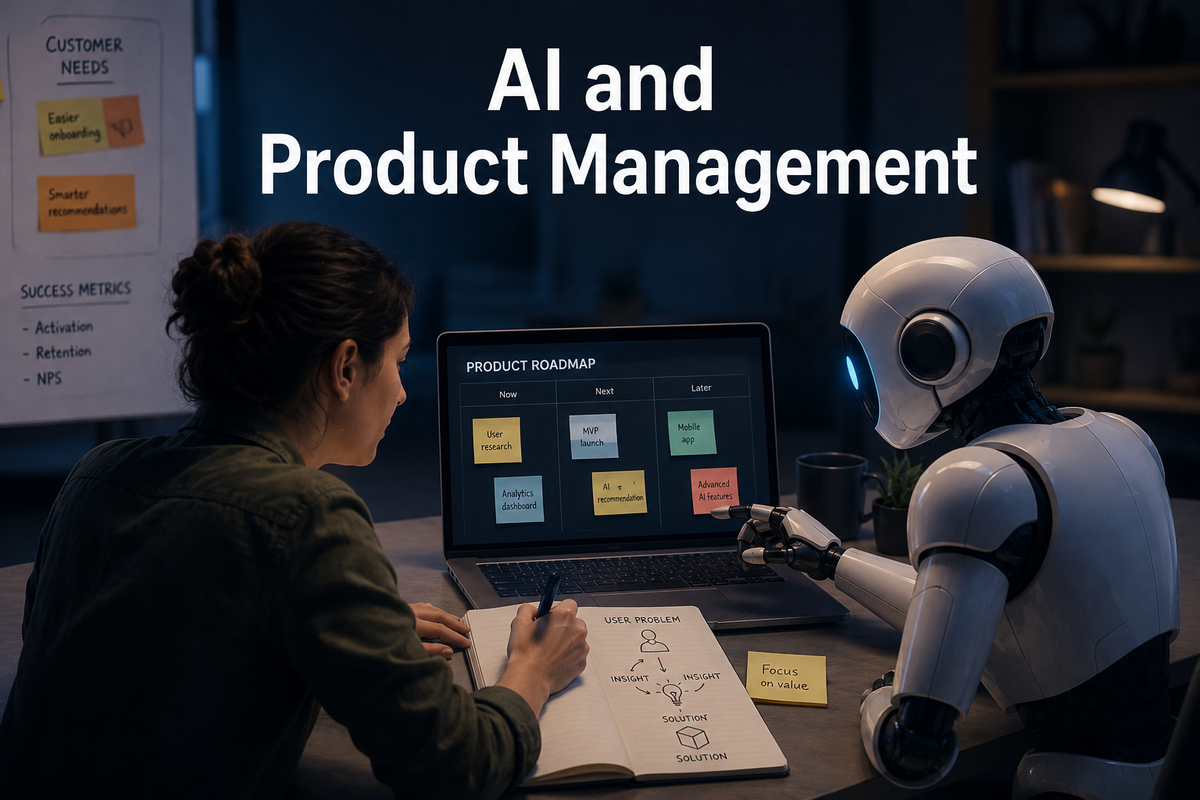
The other day, I was chatting with a fellow Product Management leader, and this question came up between us. If you look at LinkedIn or other Product Management engagement spaces, you might be lead to believe that "everything is different now" or "is Product Management dying", because now anyone can build and features can be delivered so fast.
And while everything is different, I think it highlights a subset of Product Management that has more recently been presented as a whole. Delivery has always been a component of the PM function, but in the past 5-10 years or so, it's become a focus of the role in many cases, often in engineering driven organizations, and almost always in organizations where engineering or technology teams oversee Product.
Meanwhile, things are still very much staying the same in Product-led organizations, who have kept a key focus on customer and market needs. Here, everything remains centered on building the right things, analyzing market trends, and trying to skate ahead of the puck.
Ironically, I don't think the Product Management field had been fully cognizant of the growing divide until AI shook it loose now the engineering teams are delivering quicker, and non-engineering teams can contribute.
So those engineering-forward organizations are asking themselves, "Do we need product managers?", "Can we make our product managers deliver code?" and other questions that are focused on engineering delivery still. The good ones here will be asking their Product Managers to go back to their Product Management roots and start getting that insight from customers.
And then product-forward organizations are asking themselves, "Do we have enough customer information to extend our roadmaps further?", "Can product managers build prototypes for customers to make sure engineering is focused on production features?", "Can we do better market research to keep on top of our competition?", and other questions focused on delivering a better product to customers.
And with that, we're going to see those gaps change. The gap between those who can deliver more efficiently will slowly be reduced, while the gap between those who deliver on what their customers want and need will continue to grow.


Comments ()